Merville Dairy Finglas Milk Bottle, 1950s
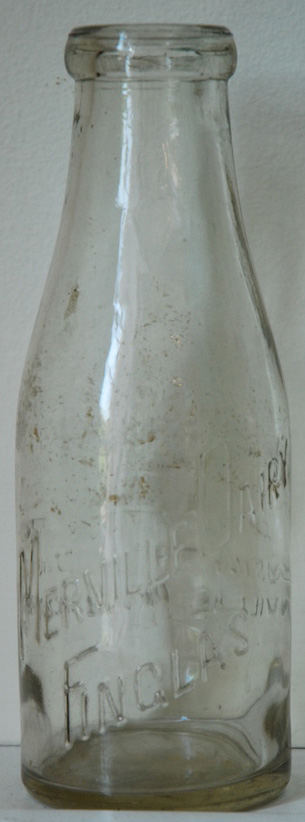
Merville dairy milk bottle

This milk bottle was owned by Merville Dairy

The Merville Dairy collected milk in bulk from farmers, processed it and delivered it. Originally milk was delivered ‘loose’, poured into customers’ containers from vats on the truck, but this was phased out in favour of bottles by the 1930s. Eventually Merville was amalgamated into Premier Dairies, and the horse-drawn floats were phased out.

Permanent Collection

Visit the ‘Critical Past’ website to view agricultural scenes in 1950’s Ireland:
http://tinyurl.com/ktl9ffb

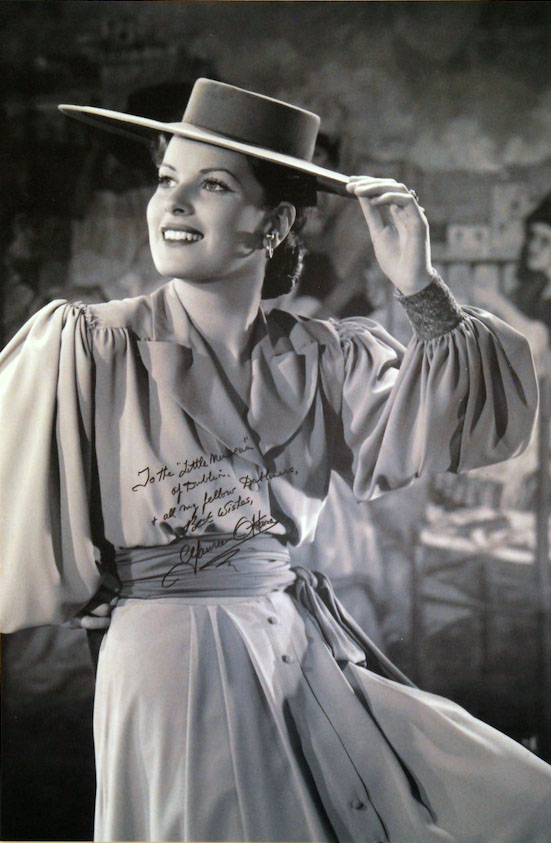
Portrait of Maureen O’Hara, 1940s

Maureen O'Hara

Maureen O’Hara is one of only a handful of great actors born in Ireland

The great Maureen O’Hara, star of The Quiet Man and Miracle on 34th Street, was born in Ranelagh in 1920. Now aged 93, she lives in Glengarriff in Cork. O’Hara trained as an actor at the Abbey Theatre and the Ena Mary Burke School of Drama and Elocution in Dublin. Her father owned shares in Shamrock Rovers F.C. and she remains a fan.

With thanks to Maureen O’Hara

Watch a clip of Maureen O’Hara in ‘The Quiet Man’ 

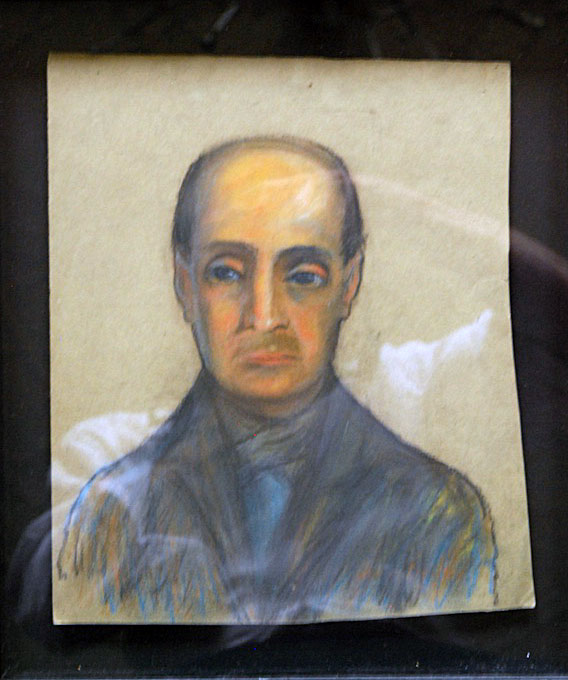
Sketch of Matt Talbot by Seán Dixon, 1931

Matt TalbotSean Dixon’s sketch of Matt Talbot – a reformed alcoholic who dedicated his life to work and prayer

Seán Dixon completed this sketch after the Oblate Fathers in Inchicore commissioned him to paint a portrait of Matt Talbot.

Regarded as the Patron Saint of dipsomaniacs, Talbot was an alcoholic until a sudden and permanent reformation at 28. After taking a vow of abstinence, the Dublin labourer devoted the rest of his life to work and prayer, leading a harsh ascetic existence of self-deprivation and punishment.

When he was found dead on a Dublin street in 1925, Talbot’s body was covered in chains that must have caused acute pain. A statue of the pious northsider can be found next to the city’s Talbot Memorial Bridge.

With thanks to Pierce Tynan

Listen to information about Matt Talbot:

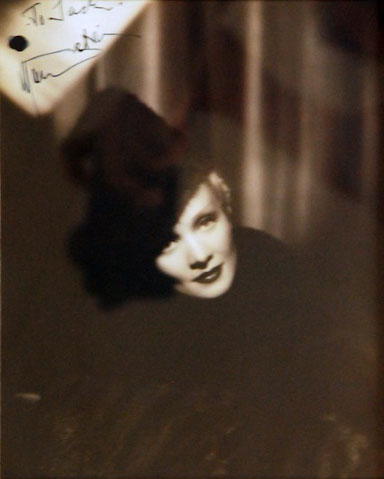
Marlene Dietrich in Dublin, 1966

Marlene Dietrich

A signed photograph of Marlene Dietrich

Marlene Dietrich, the celebrated German-American singer and actor, played two concerts here at the Adelphi cinema in November 1966.

Permanent Collection.

Listen to Marlene Dietrich singing ‘Everyone’s Gone to the Moon’:

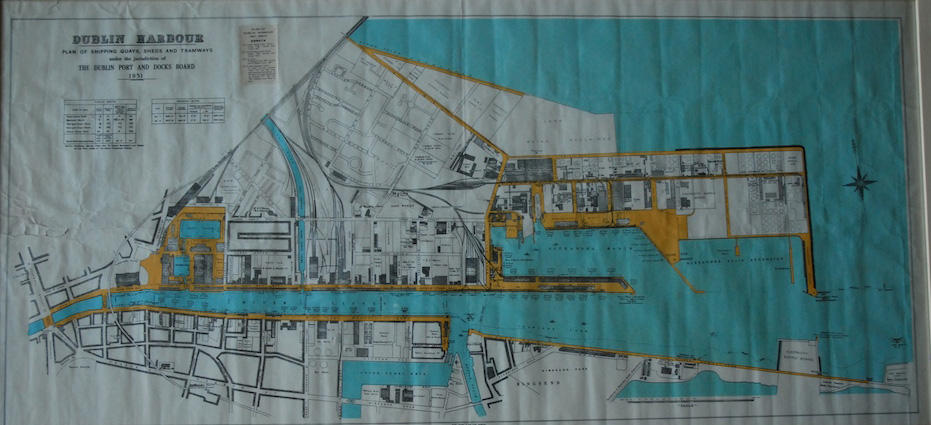
Dublin Harbour Plan, 1951

Map of Dublin Harbour

Dublin was a port before it was a city

This map shows the quays, sheds and tramways under the jurisdiction of the Dublin Port and Docks Board in 1951. At the time, ships unloaded much further up the Liffey – the port moved downstream with the advent of larger container ships.

Permanent Collection

Watch an RTE video of a Docklands Photo Exhibition:

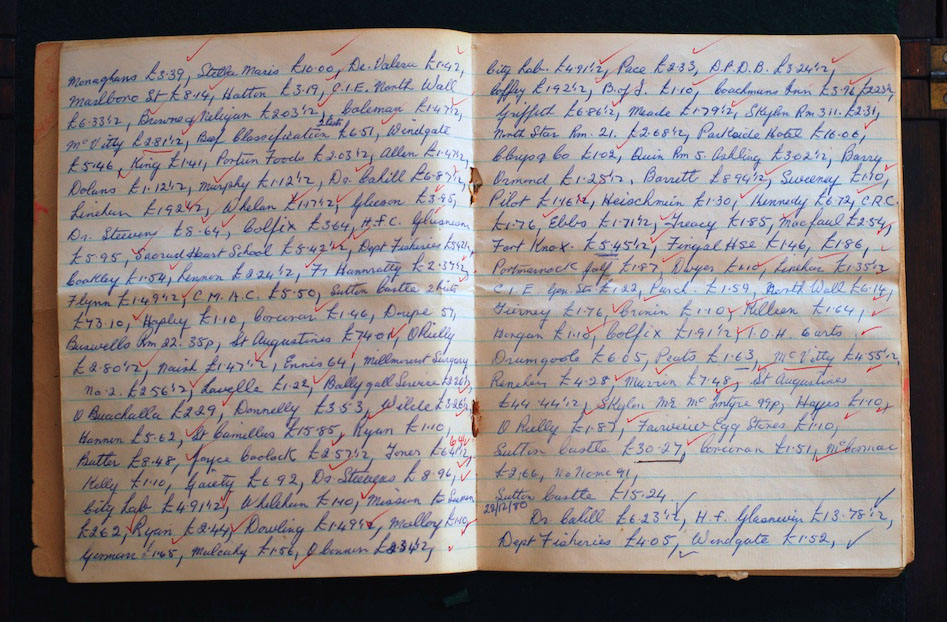
Magdalene Laundry Ledger, 1980

Magdalene Laundry ledger

A shocking indictment of Official Ireland

This exercise book contains a list of clients for the Magdalene Laundry run by the Sisters of Our Lady of Charity at High Park in Drumcondra. The list includes familiar names such as Buswell’s Hotel, CIÉ and Bank of Ireland as well as the Department of Justice and even Áras an Uachtaráin.

Steven O’Riordan, who made a film about the Magdalene Laundries, says, “This ledger proves that the state was complicit in [a form of] slave labour that operated in Ireland until as recently as 1996.” The last Magdalene Laundry to be closed was in Seán MacDermott Street.

Maureen Taylor was an inmate at High Park for four years in the 1960s. The following testimony is from a letter to the current Minister for Justice, Alan Shatter TD:

“After 14 years in an industrial school my mother found out where I was and when I was 16 years of age in November 1963 she took me to England. After nine months here it wasn’t suitable for me as my stepfather didn’t want me and he beat me a lot. My mother got in touch with the nun in Mallow and she told my mother she would bring me back to Mallow and get me into a training centre as I was still 16. This is where my life from hell started. I arrived in Dublin airport and was met by two guards. They brought me to a very large building with bars on the building. It was the Magdalene Laundry in High Park, Drumcondra, Dublin 9. A nun opened the door and brought me to a room, she made me take off all my clothes and stood there naked and she cut my hair. She also told me I would never again be known as Mary and called me Monica, after a saint. I went to bed in a big dormitory, there was about 40 people there. I was woken at six o’clock the next morning and had to kneel down by my bed to pray. Then seven o’clock mass and after that it was breakfast of bread and tea, and during breakfast one of the older women read a Holy Bible. There wasn’t any talking allowed, it was very hard work then in the laundry from nine o’clock to six o’clock five days a week. It catered for colleges, hotels, private homes and hospitals. There was no wages. A nun sat in the laundry room at all times and you never spoke, just prayed. I committed no crime, locked up for four years, no rights. Even prisoners have rights.”

With thanks to Steven O’Riordan

Stafford and McMahon’s Dublin, 1966 – 2009

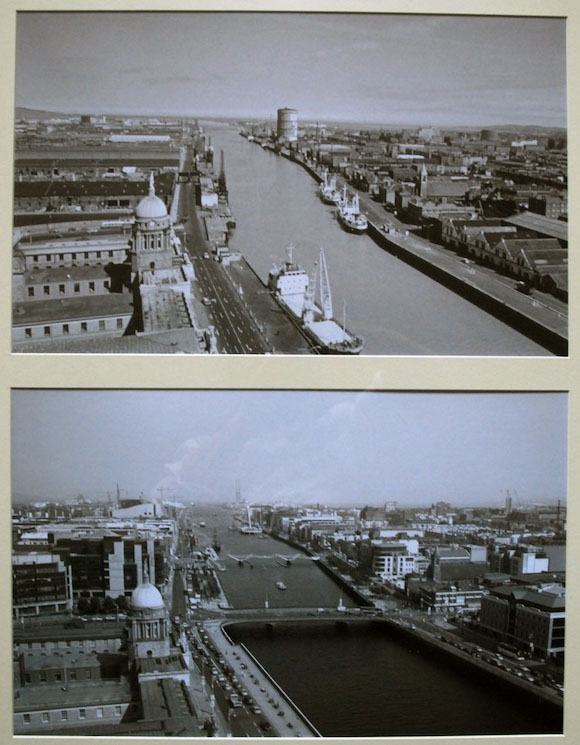
Liffey 60s and present

These pictures show how much O’Connell street has changed in forty years

Pádraic McMahon, a photographer and former member of the Dublin rock band The Thrills, inherited a collection of photos of Dublin in the 1960s from an elderly neighbour, William Stafford (1915-2006).

McMahon recreated the photos as faithfully as possible, using the same exposure settings, in the same locations – even at the same time of day and in the same weather. In this photo the shadows on the Custom House – the large domed building in the foreground – are in the exact same position. Almost everything else has changed.

With thanks to William Stafford and Pádraic McMahon

Watch a video about O’Connell street:

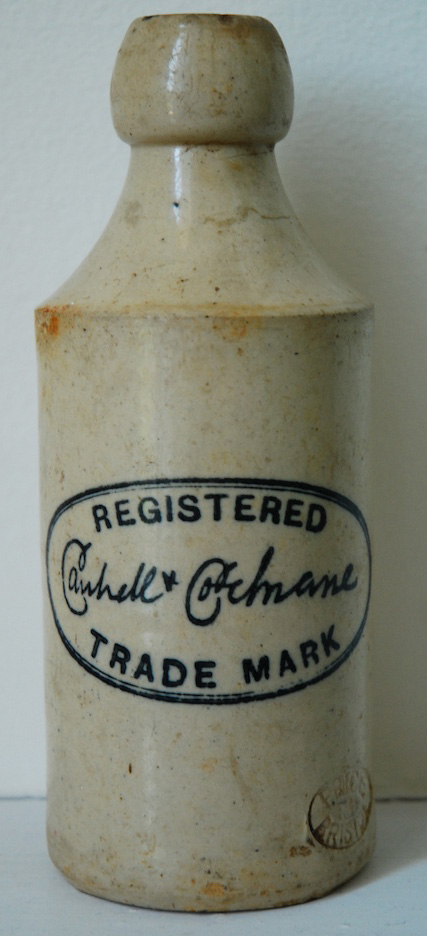
Lemonade Bottle, 1918

Lemonade bottle

Lemonade bottle recovered from the wreck of the RMS Leinster

This unopened bottle of lemonade was found by David Casserly in the wreck of the RMS Leinster, which was sunk by a German submarine in October 1918, two months before the end of the First World War. The greatest disaster in Irish maritime history, the loss of the mail boat off the coast of Dún Laoghaire took the lives of 501 people, including about 300 soliders and nurses returning to the front.

The bottle was manufactured by Cantrell and Cochrane, better known as C&C. It was made in Bristol, by the Price stoneware company.

With thanks to David Casserly

Watch a lecture about Ireland and WWI:

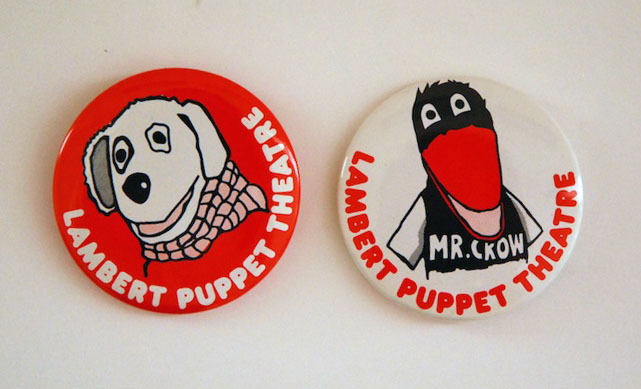
Lambert Puppet Theatre Badges, 1980s

Lambert Puppet Theatre

These badges show popular characters from Irish children’s television

These two badges were produced by the Lambert Puppet Theatre, a much-loved local institution. Founded in 1972 by Eugene Lambert and his family, it was Ireland’s first purpose-built puppet theatre. The theatre also produced television programmes, including Wanderly Wagon and Bosco. Mr. Crow, depicted on one of the badges, was a character from Wanderly Wagon.

With thanks to Michael Browne

Watch a video about the donation of the Lambert Puppet Theatre Badges:

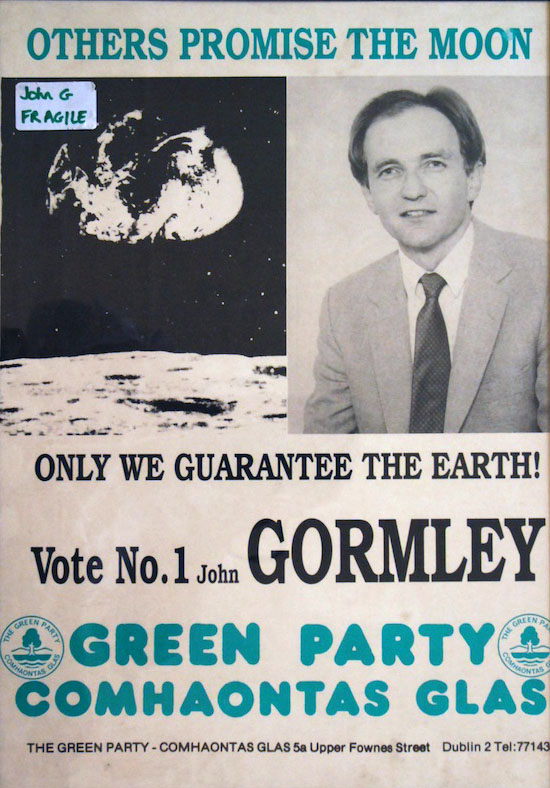
John Gormley Election Poster, 1989

John Gormley

Election poster for John Gormley, leader of the Green Party

The Irish Green Party was founded in 1981 as the Ecology Party, changing its name to the Green Party in 1987. This poster is from the 1989 general election, the first time that the party used pictures of the candidates; they had been wary of the ‘cult of personality’ in politics. That’s why the picture of the earth is the same size as the picture of the candidate.

The Greens did much better than anyone expected in the election, but no one in the party had much political acumen, so they only won one seat. John Gormley was eventually elected to Dublin City Council in 1991, served as Lord Mayor from 1994-95, and later led the party in a coalition with Fianna Fáil.

With thanks to John Gormley