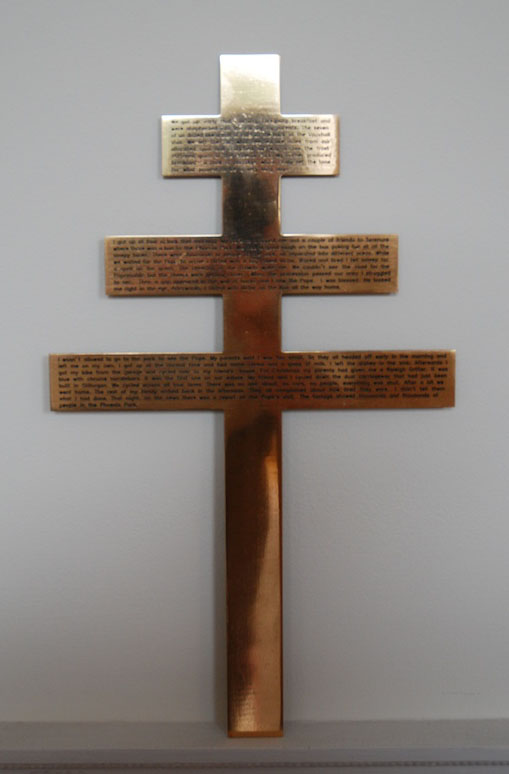
Papal Cross by Andrew Clancy, 1979

Papal Cross

Papal cross commemorating Pope John Paul II’s visit to Ireland in 1979

Ten of Ireland’s most accomplished artists have each produced a piece that reflects on some aspect of life in Dublin during the 20th Century

Gifted sculptor Andrew Clancy takes on the papal visit of 1979, a dizzying high point of Catholicism in Ireland. John Paul II, the newly elected Polish pope, was love-bombed by Irish youth. The Phoenix Park mass in Dublin saw one in three Irish citizens in attendance.

Andrew’s bronze Papal Cross is engraved with three real-life accounts of the day – his own and two others. With the three stories ranging from moving to sweetly comic and quirky, he has reflected the whole human experience of the day, and created a contemporary relic.

With thanks to Andrew Clancy

Watch footage of the crowds at the Phoenix Park mass:
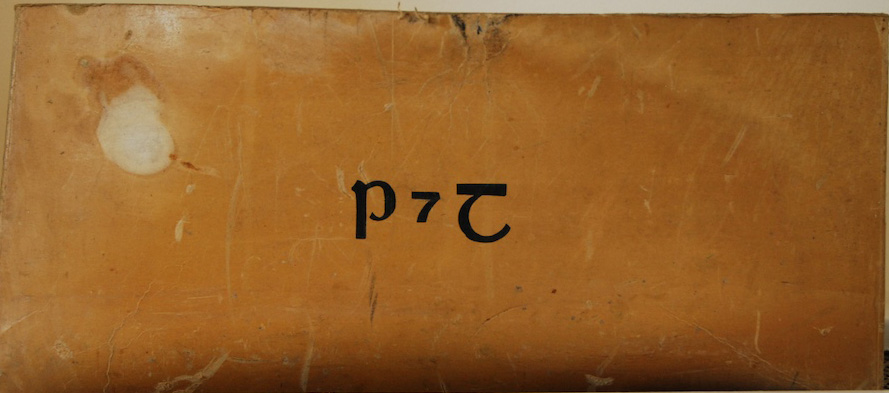
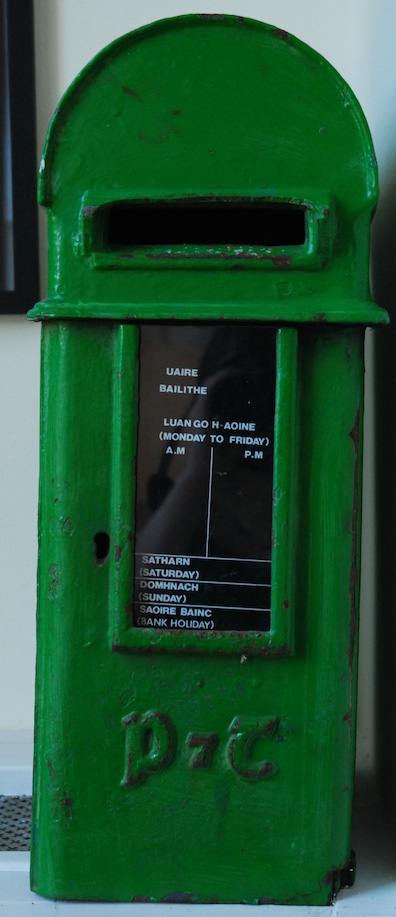
P & T Post Box, 1950s

P&T box

Postbox

The P&T logo is instantly recognisable

The civil service ran the post and telephone system in Ireland until 1984, when it was replaced by An Post and Telecom Éireann. The Department’s logo – P & T in Gaelic script – can still be seen on manholes covers around the city, at access points to the phone lines.

With thanks to An Post

Watch a video about the Post Box:


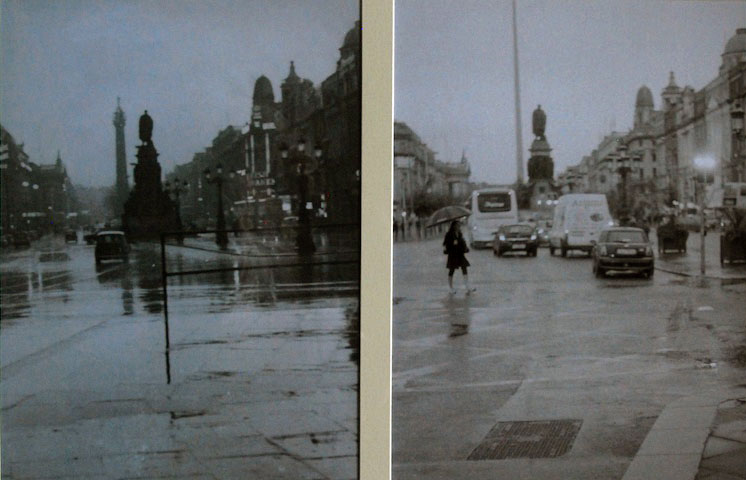
Rainy O’Connell Street Corner 1966 – 2009

O'Connell St rain

These pictures show how much O’Connell street has changed in forty years

Pádraic McMahon, a photographer and former member of the Dublin rock band The Thrills, inherited a collection of photos of Dublin in the 1960s from an elderly neighbour, William Stafford (1915-2006). McMahon recreated the photos as faithfully as possible, using the same exposure settings, in the same locations – even at the same time of day and in the same weather

With thanks to William Stafford and Pádraic McMahon

Watch a video about the changing architecture of O’Connell Street:

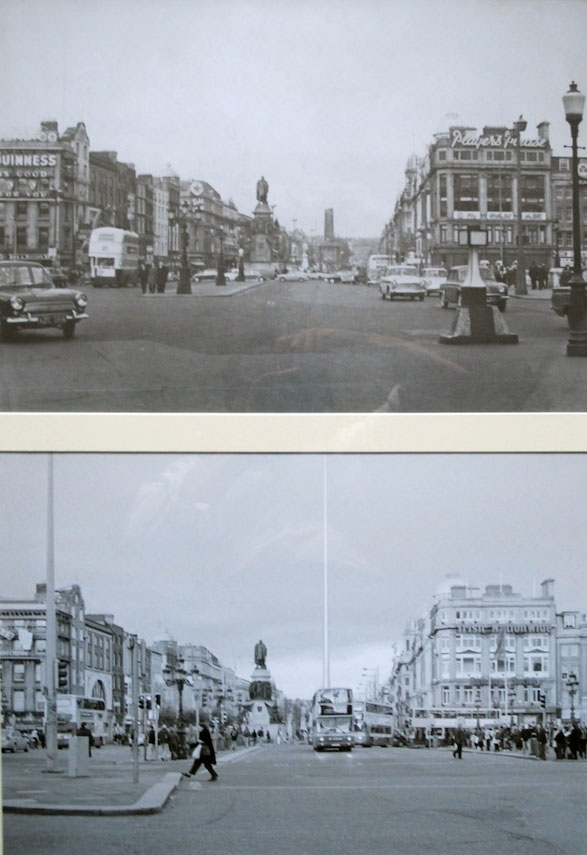
O’Connell Street and Nelson’s Pillar 1966, O’Connell Street and the Spire 2009

O'Connell St 60s and present

These pictures show how much O’Connell street has changed in forty years

Pádraic McMahon, a photographer and former member of the Dublin rock band The Thrills, inherited a collection of photos of Dublin in the 1960s from an elderly neighbour, William Stafford (1915-2006). McMahon recreated the photos as faithfully as possible, using the same exposure settings, in the same locations – even at the same time of day and in the same weather

With thanks to William Stafford and Pádraic McMahon

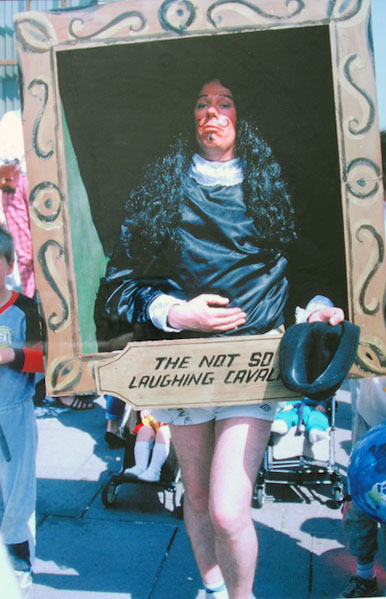
Thom McGinty as the Not So Laughing Cavalier, Dame Street, 1993

Not So Laughing Cavalier

Thom McGinty, better known as the Diceman, was a street performer in the 1980s and early 1990s

McGinty came to Ireland in 1976 to work as a model. The name Diceman came from a shop that sold role-playing games.

In the 1980s and early 1990s, McGinty became well-known for performances on Grafton Street where he would sometimes work as a mime artist or would otherwise perform in costume, advertising the shop. He is pictured here as the Not So Laughing Cavalier. McGinty was diagnosed with HIV in 1990 and died in 1995.

With thanks to Christopher Robson.

Watch a photo-reel video of the ‘Diceman’:

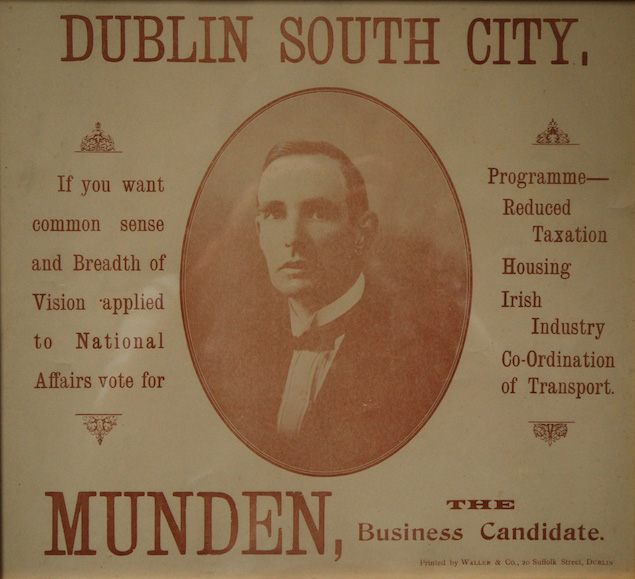
Patrick Munden Election Poster, 1923

Munden

Election poster for Patrick Munden, who later represented Rathmines and Pembroke

Born in 1883 in Allahabad, Patrick Munden was the son of an officer in the Indian Army. A successful architect and engineer, Munden left his mark on Dublin, working on Grangegorman Mental Hospital as well as many churches. A member of the Irish Volunteers, he was involved in the Howth gun-running episode of 1914 and was later held in Dublin Castle during Easter 1916.

Munden would go on to represent Rathmines and Pembroke, but on this occasion he failed in a bid for the Dáil, finishing last of 20 candidates in Dublin South, with 0.57% of the vote.

With thanks to Stephen Stokes

Watch a documentary covering the period of 1914-1916 in Ireland:

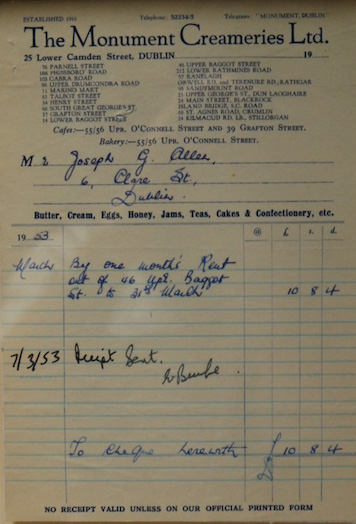
Monument Creameries Invoice, 1953

Monument Creameries invoice

Monument Crameries was owned by the Ryan family

The Monument Creameries was a chain of shops that was founded on Parnell Street in 1920 by Séamus and Agnes Ryan (née Harding). The Hardings were Republican activists during the War of Independence, and Séamus was later elected to the Seanad. The Parnell Street branch was the first of 36, and the family lived in the wealthy Dublin suburb of Foxrock. Kathleen Ryan, an actress, and John Ryan, an artist, writer and benefactor of many other artists, were among the Ryans’ eight children.

Permanent Collection

Watch a documentary about the War of Independence the Ryans were activists for:

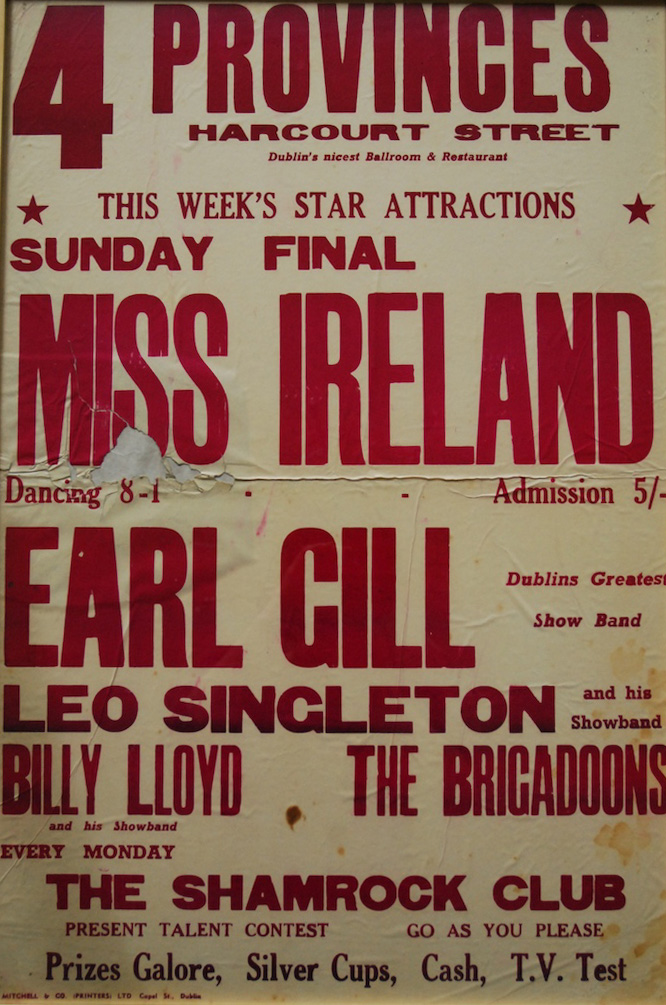
Miss Ireland Poster, 1960s

Miss Ireland poster

The Miss Ireland pageant has been running since 1947

This poster advertises the Four Provinces ballroom on Harcourt Street. An iconic hangout for many years, the 4Ps later became the Television Club before being demolished. Showbands were popular between the mid 1950s and late 1970s; they usually featured a lead singer fronting brass and rhythm sections and a keyboard instrument, playing popular hits of the day.

Permanent Collection

Watch footage of Ireland in the 1960’s:

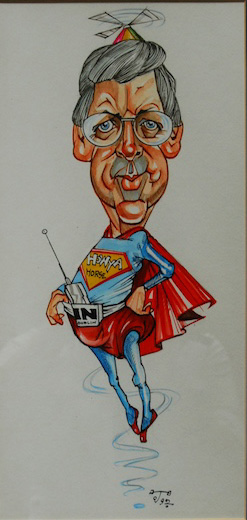
Mike Hogan Cartoon, 1992

Mike Hogan

Mike Hogan adds to the gaiety of the nation. This is perhaps the sincerest compliment in Dublin

A former Eye in the Sky, Hogan bought the iconic In Dublin magazine for £6,500 when it was in financial trouble and succeeded in turning it around, despite courting scandal with ads for ‘massage parlours’. Hogan once owned 38 magazines. He now works with telecoms magnate Denis O’Brien.

With thanks to Mike Hogan

MiWadi Label, 1960s

Mi Wadi label

MiWadi fruit squash is a part of many Dubliners’ childhoods

The name MiWadi comes from the original parent company – Mineral Water Distributors, formed in 1927. MiWadi was originally sold in chemists, because cordials were thought to be good for sick people. In the 1970s, supermarkets such as Dunnes Stores started making MiWadi more accessible. In the 1980s it was often mixed with alcohol.

Permanent Collection


Watch footage of Dublin in the 1960’s: